 For many theme parks Spring is a dormant time of year when the worst of the weather passes. But all should not be quiet in your marketing and PR departments. Spring is a great time to jumpstart many activities that will pay off in the busy season.
Here are 12 activities you can start now to prepare your park for peak season. 1. Map Out Your “Big Announcements” and stories for the Year Do you have a fantastic summer music lineup you’ll need to promote? How about a new ride opening or attraction? Whatever it is, map it out and put it on your editorial calendar now so you have time to plan for and promote it.  Hiring a PR firm is a big step for any new or growing brand. If you've reached this point, congratulations, you’ve gotten farther than a lot of other brands ever have. Here are seven common myths to avoid when considering hiring a PR firm.
1. The Best PR Firms Are Really Big Choosing a big PR firm that works with big clients can be a bad choice for new and emerging brands for several reasons. Big PR firms are expensive for cost-conscious brands. Unless they have a “small brand” department big PR firms are mainly focused on their big, name-brand clients, because they look good, and they bring in most of the money. Most big PR firms don’t specialize in the nuances of startups. While they may have fancy reports and a fleet of underlings to meet with you regularly, big PR firms don’t usually understand the specific needs of budding entrepreneurship associated with startups. You’re better off looking for PR firms that specialize in, and have results for companies of a similar size and focus to yours.  You’re busy running a startup. You don’t have a communications “team” of 50 people to help you prepare for conversations with the press. You personally don’t have time for an intensive 2 week course on media training. What you DO have is an interview or media opportunity in two days that you’re scared to death about.
Fear not. Here’s what you need to know to get started. 1. Know The Show Familiarize yourself with the show or venue you’re going to be on. Do your homework. If it’s a blog, read previous articles. If it’s a TV show, watch previous episodes. If it’s a podcast, or radio show, listen to a few episodes. If it’s available, read over the list of episode titles and guests over the last few months. Try and get a sense of why the show exists and what it’s about.  No product sells itself without help–not even in the best of times. So how is your business supposed to market itself when, as they say in Hamilton, “the world turned upside down?”
On the marketing and PR front, a lot has changed. Ads from “the before time” featuring large crowds or one-on-one interactions can be downright triggering. Regular marketing and PR cycles have been disrupted, major events have been canceled, and seasonal trends that worked last year just don’t make sense now. On the homefront, Americans face problems that keep people up at night. More people are working from home, if they’re lucky enough to still have a job. Kids are “learning from home,” putting extra strain on parents and caregivers. Unemployment in the United States is at a historic high. Many have lost loved ones. Many are wondering how they’re going to get through this time. So what’s a marketer to do? It doesn’t seem right to try to get people jazzed about your product when the world is so very different than it was mere months ago. Fortunately, there are some simple guidelines to help you keep your company’s brand as stable as possible, despite this most unusual and difficult time.  We live in a golden age of video conferencing on national TV news shows, especially with social distancing protocols. News shows are relying on remote experts now more than ever. This is a great opportunity for your brand to speak to key issues that people care about. But not all video conferencing call-in interviews are created equal. Unless you’re a first responder calling in from a hospital or emergency location, your remote video interview should look as professional as possible. Here are some simple tips to help you look professional and be taken seriously. 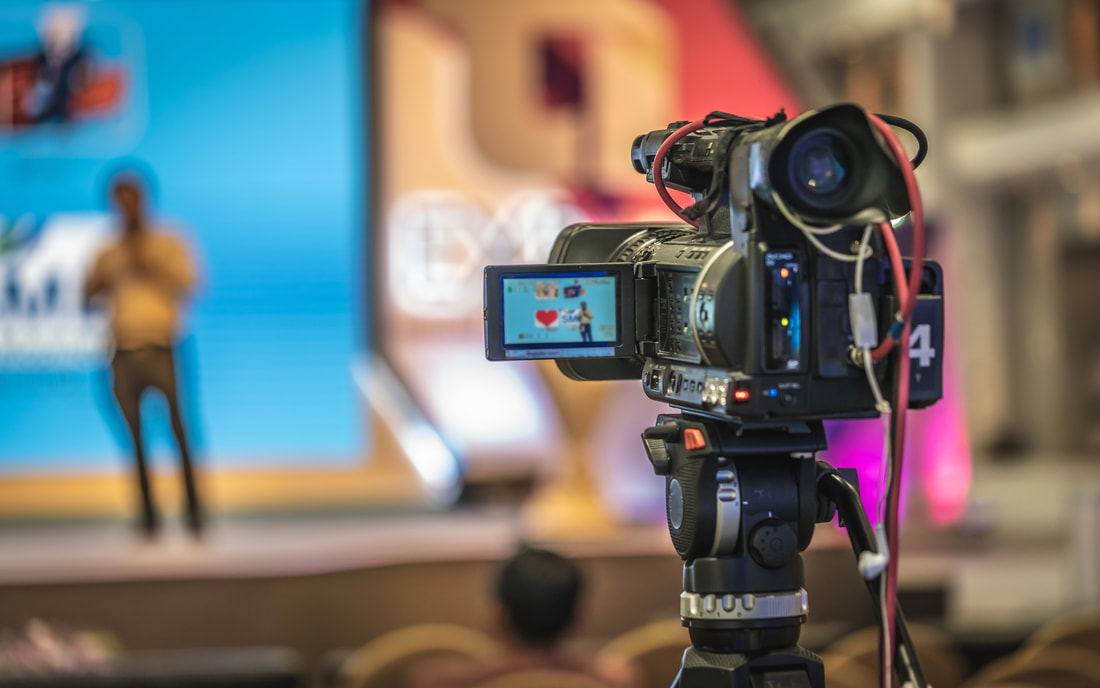 To say that PR and the media has changed in the last decade is an understatement. We’ve gone from a 24-hr news cycle to a multi-platform, 24/7, saturated media culture with up-to-the minute headlines that change with the slightest of input.
So what’s a startup to do? Can you still make headlines? What’s changed and what’s still the same? The answers are in the new book; Snow Tires for Startups: How to Get PR Traction. Here are three of the tried and true takeaways from the book that your startup needs to know about PR today.  Knowing when to start PR isn’t always easy, especially for startups. In my years of public relations and marketing experience, very few startups begin their PR efforts too early. Some startups wait to begin public relations until they’ve been selling products for over a year, and some wait until they feel like they have a story worth sharing. With so many outside voices insisting that a startup “must start now” on advertising, social media, SEO, rebranding, choosing an office space, hiring a team, winning awards, and giving cars as signing bonuses, it’s a lot. I get it.
 Do big PR firms work for startups? Should your startup hire a big PR firm? The siren song of larger, global PR firms, with their flashy results are tempting to many, but there are good reasons startups should avoid them, at least until they have tens of thousands of PR dollars to spend monthly on a firm, at which point, they will no longer be a startup.
If you have a startup looking for a PR firm, you can do better than a big firm. Here’s why.  Tis’ the season for pumpkin spice, Autumn leaves, peppermint, and eggnog everything. But there’s more to running successful holiday campaigns than slapping a red and green bow on your products and expecting them to sell. Here are three communications secrets to creating compelling holiday messaging that speaks to your audience, drives more conversions, and creates life-long customers.
 Whether you run a startup, a mid-size consumer product company, or another kind of successfully growing brand, you know how competitive the holiday season gets. Here are three tips to making your brand stand out during the holiday season.
|

|
Jacobson Communication is a one-woman PR firm that delivers game-changing public relations and brand development for extraordinary clients with a story to share.
For brands and causes working toward positive change; nonprofits, startups, do-gooding tech companies, outdoor brands, entertainment brands, theme parks, musicians, authors, special causes and more. I work with brands at every state, from concept to internationally recognition. Offering strategy, pitch-crafting, media relations that scale, brand engagement, advisement, and more! I also work with PR firms and internal PR teams who need out-of-the-box additional help. The Generative AI Skeptic
A Word About Generative AI, in Regards to Comms and Creativity
One of the values I bring to my clients is my ability to grasp the "big picture" and align it with the public's current moods, thought patterns, and needs. I believe my specific brain, my heart, my experience, and my personal methodology are what separates me from those who rely on what generative AI feeds them. I do not use generative AI, nor do I generally endorse its use for writing and creation in public relations, the music industry, or art. To all my fellow comms and creatives out there; stay human! Learn more about my thoughts on generative AI here: 
Editor's Note:
If you're not creating and sharing free speech, thought-piece, satirical graphics designed to point out when the media gets something drastically wrong, are you even on the internet? |
AI AND POTATOES
We Can Poison The Well Together

AI is stealing our data at the behest of mega-investment in a race where no one wins. So, is AI takeover really inevitable, or is it hype?
Will it really replace 80% of human jobs? How might one render it ridiculous and useless. Land AcknowledgementAcknowledgement to the southern Lushootseed-speaking Coast Salish Indigenous Peoples whose land I live and work on.
This land also includes the traditional land and waterways of the first people of Seattle, the Duwamish People of past and present. It is with honor and gratitude to the land itself, the plants, animals, and the Duwamish Tribe that I practice my work. This land is also on and adjacent to the traditional homelands and waterways of the Puyallup Tribe. The Puyallup people have lived on and stewarded these lands since the beginning of time and continue to do so today. I recognize that this land acknowledgement is one small step toward true allyship, and I commit to uplifting the voices, experiences, and histories of the Indigenous people of this land and beyond. To learn more about the Puyallup Tribal Language program, visit: https://www.puyalluptriballanguage.org Personal StatementIt is my hope that we all deepen our understanding, awareness, and relationship to where we live in the world, and that we, individually and as a group, do our part to heal the wounds caused by genocide, enslavement, displacement, and other such atrocities, many of which have been intentionally carried forward into our present day and built into modern systems of power. Here is a list of books that might help you on your way to decolonizing the mind.
Are You Ready to Tell Your Story?If so, have a cookie. Click below.

Not Yet Ready to Tell Your Story?That's okay too. Pet the cat.


Copyright 2026 Jennifer Jacobson
Jacobson Communication, The Feral PR Consultant Please know that my thoughts are my own, and not necessarily those of my clients or those I work or have worked with. May your thoughts also be your own. |