 For many theme parks Spring is a dormant time of year when the worst of the weather passes. But all should not be quiet in your marketing and PR departments. Spring is a great time to jumpstart many activities that will pay off in the busy season.
Here are 12 activities you can start now to prepare your park for peak season. 1. Map Out Your “Big Announcements” and stories for the Year Do you have a fantastic summer music lineup you’ll need to promote? How about a new ride opening or attraction? Whatever it is, map it out and put it on your editorial calendar now so you have time to plan for and promote it.  Hiring a PR firm is a big step for any new or growing brand. If you've reached this point, congratulations, you’ve gotten farther than a lot of other brands ever have. Here are seven common myths to avoid when considering hiring a PR firm.
1. The Best PR Firms Are Really Big Choosing a big PR firm that works with big clients can be a bad choice for new and emerging brands for several reasons. Big PR firms are expensive for cost-conscious brands. Unless they have a “small brand” department big PR firms are mainly focused on their big, name-brand clients, because they look good, and they bring in most of the money. Most big PR firms don’t specialize in the nuances of startups. While they may have fancy reports and a fleet of underlings to meet with you regularly, big PR firms don’t usually understand the specific needs of budding entrepreneurship associated with startups. You’re better off looking for PR firms that specialize in, and have results for companies of a similar size and focus to yours.  As a new entrepreneur, you’ve been building your startup for months, and now you’re ready to start pitching to the venture capital community. You may be ready, but is your pitch deck? Are you sure you have the right elements to attract a VC?
 Knowing when to start PR isn’t always easy, especially for startups. In my years of public relations and marketing experience, very few startups begin their PR efforts too early. Some startups wait to begin public relations until they’ve been selling products for over a year, and some wait until they feel like they have a story worth sharing. With so many outside voices insisting that a startup “must start now” on advertising, social media, SEO, rebranding, choosing an office space, hiring a team, winning awards, and giving cars as signing bonuses, it’s a lot. I get it.
 Face it; some emails will never be read. Don't let yours be one of them. Here are seven deadly mistakes email marketers make.
1. The Subject Line Doesn't Get to the Point In Time - The first few words have to compel the reader to keep reading and open your email. If you're having a 25% off sale, lead with the words: "25% off." Don't lead with the words: "Today only, get a special, once-a-year promotion and enjoy 25% off your entire purchase."  Whether you run a startup, a mid-size consumer product company, or another kind of successfully growing brand, you know how competitive the holiday season gets. Here are three tips to making your brand stand out during the holiday season.
 Face it; there are a lot of emails that will never be read. Don't let yours be one of them. Here are seven deadly mistakes email marketers make.
1. Your Subject Line Is Pointless. The first few words have to compel the reader to keep reading and open your email. If you're having a 25% off sale, lead with the words: "25% off." Don't lead with the words: "Today only, get a special, once-a-year promotion for 25% off your entire purchase." 2. Your Preview Text Wastes Space. You've seen it; that text that previews an email's content. Too many n00b brands and some established ones waste that space with boilerplate, unsubscribe text, or other, non-essential information. This is often a remnant of the email sending service you are using. Send a test to yourself before sending the email to a group. If the preview text is not your immediate content, modify your template so that information is placed elsewhere. Preview text should always be compelling. -- mac windows, gmail, outlook, iPhone Android  Makers are talented at their craft, but sometimes they can use a little help with marketing. Here are seven pro marketing tips to help makers maximize their sales and engagement.
1. Make a Calendar. Whether you're a cosplay prop-maker, a quilter, a knitter, a carver... plan your year out and give your audience something fresh every season (or more often if you can).  You've survived the Consumer Electronics Show (CES) and even earned your startup a few media mentions in the process. You're finally taking off. As far as you're concerned, your name belongs up there with Musk, Zuckerberg, and Curie.
You may think the bulk of your PR work is done for the year, but it's only just begun. The difference between startups that flicker and fade and those who become household brands is all about media presence–continued media presence. Here are the most common PR mistakes startups make after CES. 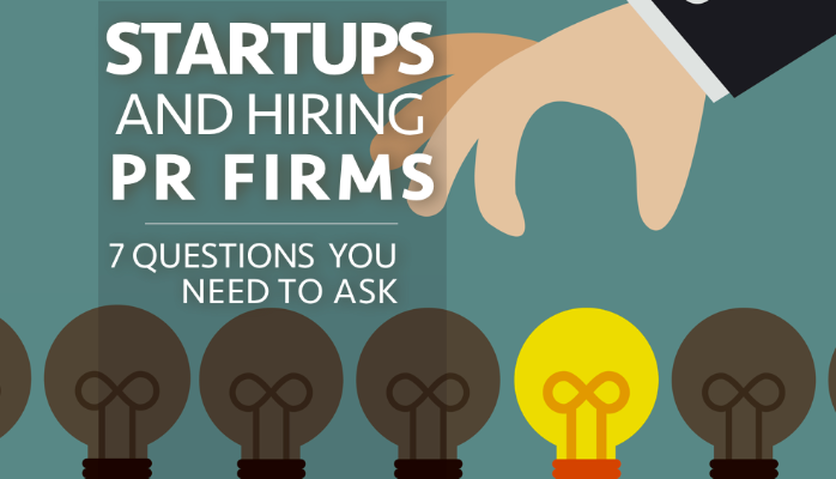 Introducing the media to your startup is an important job–one that shouldn’t be done without careful research and consideration. Knowing what to expect from a potential PR firm is often challenging for startups. Here are some must-ask questions to address with any PR firm your startup is thinking of working with.
Who will do most of the daily work of promoting my startup? Large PR firms often have interns and in-experienced people on-hand to conduct research, preform initial pitches, and manage smaller accounts. Since you’re paying a PR firm to represent you, you should know what you’re paying for and how much of your account will be handled by “underlings” versus senior management. |

|
Jacobson Communication is a one-woman PR firm that delivers game-changing public relations and brand development for extraordinary clients with a story to share.
For brands and causes working toward positive change; nonprofits, startups, do-gooding tech companies, outdoor brands, entertainment brands, theme parks, musicians, authors, special causes and more. I work with brands at every state, from concept to internationally recognition. Offering strategy, pitch-crafting, media relations that scale, brand engagement, advisement, and more! I also work with PR firms and internal PR teams who need out-of-the-box additional help. The Generative AI Skeptic
A Word About Generative AI, in Regards to Comms and Creativity
One of the values I bring to my clients is my ability to grasp the "big picture" and align it with the public's current moods, thought patterns, and needs. I believe my specific brain, my heart, my experience, and my personal methodology are what separates me from those who rely on what generative AI feeds them. I do not use generative AI, nor do I generally endorse its use for writing and creation in public relations, the music industry, or art. To all my fellow comms and creatives out there; stay human! Learn more about my thoughts on generative AI here: 
Editor's Note:
If you're not creating and sharing free speech, thought-piece, satirical graphics designed to point out when the media gets something drastically wrong, are you even on the internet? |
AI AND POTATOES
We Can Poison The Well Together

AI is stealing our data at the behest of mega-investment in a race where no one wins. So, is AI takeover really inevitable, or is it hype?
Will it really replace 80% of human jobs? How might one render it ridiculous and useless. Land AcknowledgementAcknowledgement to the southern Lushootseed-speaking Coast Salish Indigenous Peoples whose land I live and work on.
This land also includes the traditional land and waterways of the first people of Seattle, the Duwamish People of past and present. It is with honor and gratitude to the land itself, the plants, animals, and the Duwamish Tribe that I practice my work. This land is also on and adjacent to the traditional homelands and waterways of the Puyallup Tribe. The Puyallup people have lived on and stewarded these lands since the beginning of time and continue to do so today. I recognize that this land acknowledgement is one small step toward true allyship, and I commit to uplifting the voices, experiences, and histories of the Indigenous people of this land and beyond. To learn more about the Puyallup Tribal Language program, visit: https://www.puyalluptriballanguage.org Personal StatementIt is my hope that we all deepen our understanding, awareness, and relationship to where we live in the world, and that we, individually and as a group, do our part to heal the wounds caused by genocide, enslavement, displacement, and other such atrocities, many of which have been intentionally carried forward into our present day and built into modern systems of power. Here is a list of books that might help you on your way to decolonizing the mind.
Are You Ready to Tell Your Story?If so, have a cookie. Click below.

Not Yet Ready to Tell Your Story?That's okay too. Pet the cat.


Copyright 2026 Jennifer Jacobson
Jacobson Communication, The Feral PR Consultant Please know that my thoughts are my own, and not necessarily those of my clients or those I work or have worked with. May your thoughts also be your own. |